October 23, 2026
Understanding the importance of protecting your home from UV exposure and how window tinting solutions effectively reduce UV impact is essential for long-term property preservation. Choosing to apply residential window tinting is one of the most proactive steps a property owner can take. Beyond simply controlling sunlight, residential window tinting forms an invisible shield over your glass, directly addressing interior deterioration. Implementing home window tinting allows you to maintain open, sunlit living spaces without sacrificing the condition of your home's interior decor.
Understanding UV Rays
The Nature of UV Light
Ultraviolet (UV) light is a form of electromagnetic radiation that comes from the sun and is responsible for various effects on our environment. It is categorized into UVA, UVB, and UVC rays, each with different energy levels and biological impacts. UVA and UVB are the rays that reach the earth and can have harmful effects on living organisms and materials. While the ozone layer blocks out most UVC radiation, UVA and UVB can penetrate through, leading to a variety of concerns. UV light is invisible to the human eye, yet its effects are profound, making awareness and protection crucial.
These rays have enough energy to cause electrons to break away from atoms, which can lead to chemical reactions. In the context of human health, this means that UV exposure can lead to skin damage and increase the risk of skin cancer. Similarly, UV radiation causes colors to fade, meaning that prolonged exposure can damage interior furnishings such as sofas, carpets, and curtains. Understanding the nature of UV light helps in comprehending the necessity of effective protective measures. With this understanding, home window tinting emerges as a vital tool in shielding your home from unwanted UV exposure.
Effects of UV Rays on Human Health
UV radiation, particularly UVA and UVB, are known to contribute significantly to skin damage and accelerate aging. Overexposure to UV rays can lead to skin cancer, with melanoma being one of the more dangerous forms associated with sun exposure. While direct sun exposure is the primary concern, UV rays can penetrate indoor spaces, thereby impacting individuals even inside homes. The cumulative effects of UV exposure can lead to visual impairments such as cataracts and other eye-related issues over time. Consequently, measures to reduce UV exposure are not just about protecting interiors but also safeguarding the health of home occupants.
Understanding these health implications underscores the need for effective UV protection within residential spaces. Even indoors, one cannot escape the reach of UV rays without adequate barriers. Windows, as major portals of light into homes, can be treated with specialized films. By blocking up to 99% of UV rays, home window tinting serves as a proactive measure to mitigate health risks associated with UV exposure. Investing in such solutions promises not only long-term health benefits but also a safer environment within living spaces.
The Need for UV Protection in Homes
The necessity of UV protection in homes has never been more prominent, considering the increasing attention towards health and environmental sustainability. As awareness of the harmful effects of UV radiation rises, homeowners have transitioned towards protective solutions like home window tinting to maintain safer indoor environments. Glass treatment acts as a crucial barrier, shielding both inhabitants and interiors from the damaging reach of ultraviolet rays. The adoption of such measures reflects a proactive step in safeguarding household investments while prioritizing occupant well-being. With protective film known to block a significant percentage of UV radiation, the balance between aesthetic value and health consideration becomes achievable.
Understanding UV penetration is critical when considering interior protection. Homes filled with natural light often appear welcoming but come with the hidden challenge of increased UV exposure. This exposure not only accelerates material degradation but also increases the potential health risks for those residing inside. These factors underscore the relevance of UV protection, advocating for the adoption of protective solutions like residential window tinting. It is an effective strategy in managing the adverse effects associated with UV radiation, maintaining both the beauty and functionality of your living space.
Furthermore, investing in UV protection like home window tinting can also provide financial advantages. According to the International Window Film Association, consumers can expect to see summer energy bill savings between 20% and 40% after installing window films. This economic benefit extends beyond immediate protection, presenting a cost-effective solution that can reduce long-term expenses. Such comprehensive protection supports homeowners in managing their energy consumption while ensuring environmental safety. Ultimately, prioritizing UV protection is an investment in a healthier, more sustainable future for residential spaces.
How Window Tinting Works
The Technology Behind Window Films
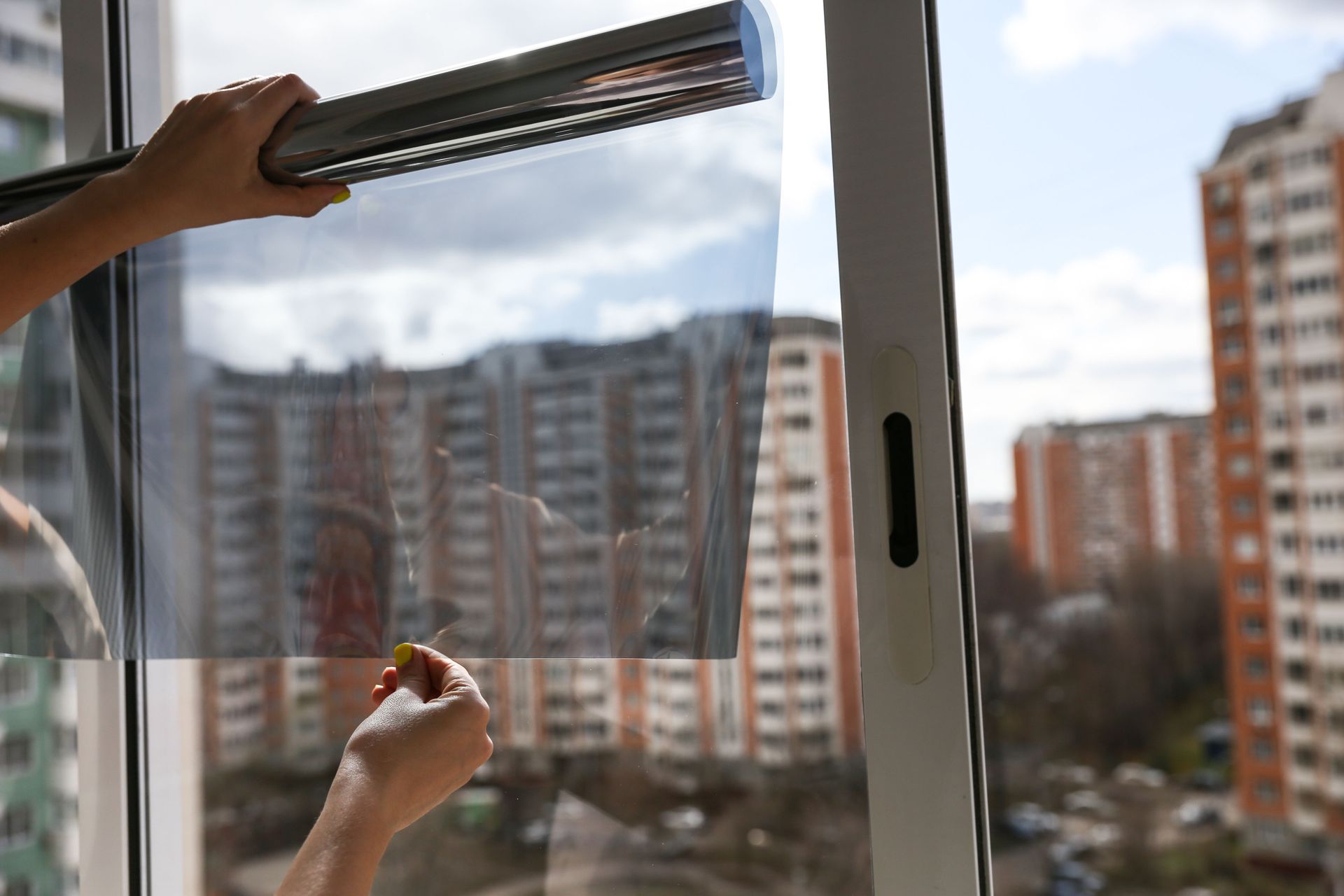
Window films are engineered to offer an unobtrusive yet powerful layer of protection against various forms of radiation, including UV rays. These films consist of multiple micro-layers of polyester, integrated with durable coatings and specialized tints designed to absorb and reflect UV radiation. The manufacturing process involves applying layers of protective finishes that enhance the film’s ability to block out significant portions of the sun’s harmful spectrum. A critical factor in their efficiency is the unique combination of materials like metalized films that boost reflectivity and UV absorption. Through sophisticated engineering, high-quality residential window tinting manages radiation exposure, helping maintain indoor aesthetics while guarding interior surfaces.
One distinct advantage of modern window films is their integration of nanotechnology, which contributes to better adaptation to natural light variations. This technology optimizes film efficiency by allowing for superior clarity and energy conservation without compromising indoor aesthetics. Specifically, high-grade films offer improved light balancing, enhancing the comfort and appearance of home interiors. As such, architectural films provide a seamless protective layer that maintains its properties under various lighting conditions. Their versatility ensures that they can be adapted for different residential needs and stylistic preferences, making them a popular choice for many homeowners.
Different Types of Window Tints
The versatility of window films is evident in the range of options available, all designed to cater to varied residential needs. There are several main types of window tints including dyed, metalized, hybrid, carbon, and ceramic. Each type offers distinct features and advantages that can significantly affect home interiors’ aesthetics, energy efficiency, and UV protection. For instance, dyed films are the most economical choice, providing basic UV protection and glare reduction while adding a touch of style with different shading options. These films remain a popular choice for those looking to enhance aesthetics without significant financial investment.
Metalized films stand out for their durability and efficiency, incorporating metal particles that reflect UV rays and simultaneously offer increased scratch resistance. On the other hand, hybrid films combine dye and metal layers, achieving a balance between both types while minimizing interference and maintaining visual clarity. More advanced options include carbon and ceramic tints which are non-metallic, eliminating radio signal interference common with other films. Carbon tints are known for their sleek appearance and heat insulating properties, while ceramic options used in window window tinting offer superior performance in UV protection without compromising visibility.
Incorporating window films into your living space offers protection that goes far beyond simple shade. By blocking up to 99% of harmful UV rays, this technology protects your family's health, drastically reduces energy expenses, and safeguards your valuable furniture, flooring, and interior decor from premature fading and structural degradation. Whether your goal is thermal comfort, interior preservation, or long-term utility savings, choosing home window tinting provides an immediate and lasting enhancement to your property. Investing in this simple upgrade ensures a healthier, more sustainable, and beautifully preserved home environment for years to come. Call Total Image Window Tinting today to learn more.