November 2, 2026
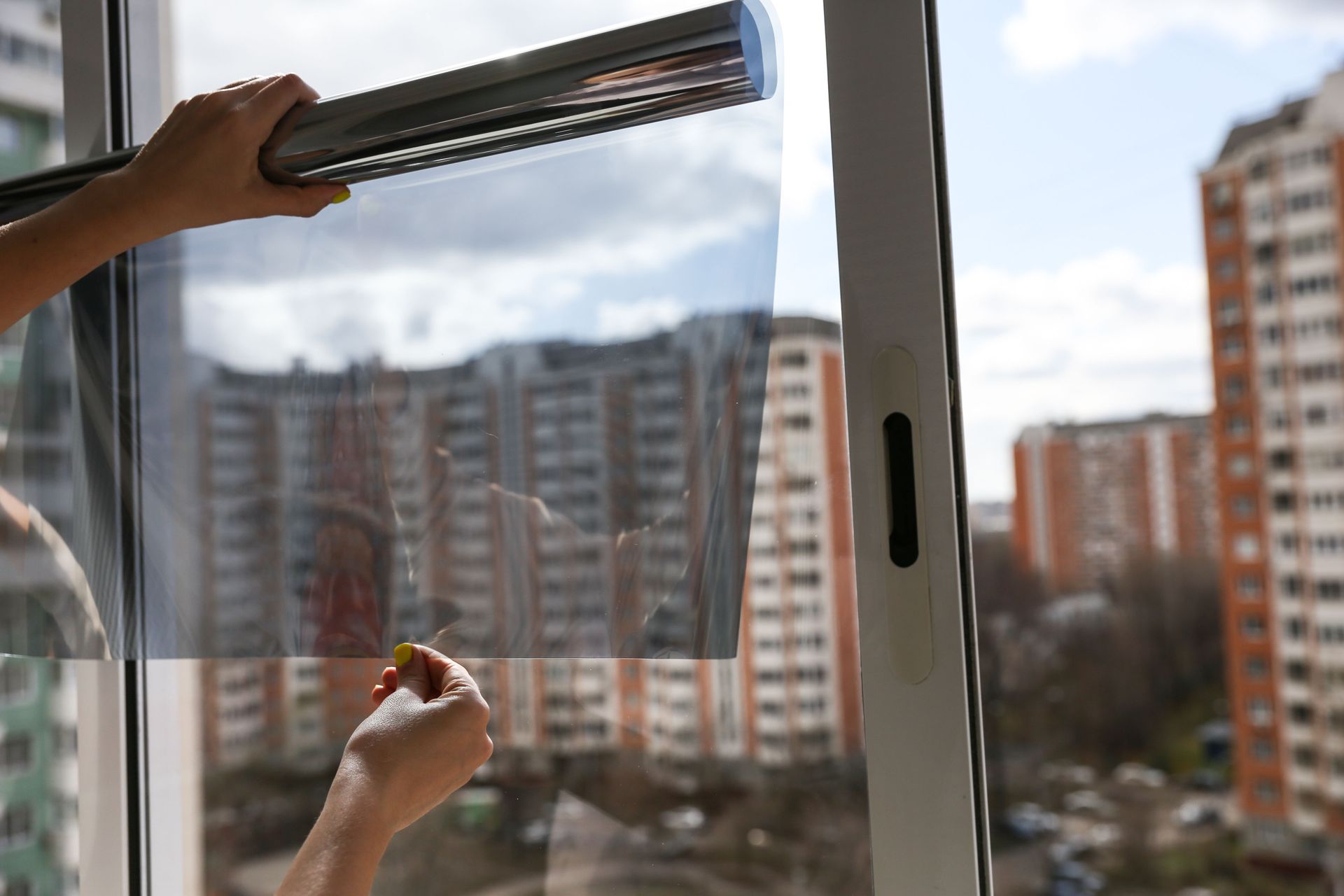
Homeowners increasingly seek improvements that enhance comfort, protect interiors, and reduce energy costs. Residential window tinting offers a practical way to address these priorities while maintaining a home's appearance. Modern films come in various finishes and performance levels, helping homeowners customize their windows. From reducing glare to improving privacy, professionally installed tint can make everyday living more comfortable while supporting long-term home maintenance goals. Because window films can serve several purposes at once, they appeal to homeowners looking for upgrades that combine practical benefits with visual improvements.
Improving Energy Efficiency
Reducing Heat Gain in Summer
Sunlight entering through untreated windows can raise indoor temperatures, particularly in rooms with large windows or direct afternoon exposure. Residential window tinting helps reduce solar heat gain by filtering sunlight before it warms interior spaces. This can improve comfort and reduce air conditioning demands during hot weather. Homeowners may also notice fewer hot spots near windows, making their living spaces more enjoyable throughout summer.
Retaining Heat During Winter
Some specialized window films help improve year-round thermal comfort by reducing heat transfer through glass. Although performance varies, certain films complement existing insulation and weatherproofing measures. Homeowners should select products suited to their window type and climate to improve comfort without creating unnecessary glass-related issues.
Reducing Household Energy Costs
When windows contribute less to unwanted heat gain, cooling systems may not need to work as hard. Depending on the home's design and climate, this can help lower energy consumption. Residential window tinting can complement a broader energy-efficiency strategy, particularly when combined with proper insulation and efficient heating and cooling equipment.
Supporting Sustainable Living
Reducing energy use can support a more environmentally conscious household. Window films may decrease reliance on mechanical cooling during warmer months, making them appealing to homeowners seeking practical improvements without extensive renovations. Before choosing a product, homeowners can compare its expected performance with other energy-saving upgrades to determine which improvements best suit their property.
Enhancing Everyday Home Comfort
Maintaining Comfortable Rooms
Temperature differences between sunny and shaded rooms can make a home less enjoyable. Window films help limit direct sunlight, creating a more balanced indoor environment. Residential window tinting is especially useful in living rooms, home offices, and bedrooms where sunlight creates uncomfortable conditions. Improved comfort may also reduce the need to continually adjust thermostats or close blinds.
Minimizing Glare on Screens
Bright sunlight reflecting off televisions and computer monitors can interfere with daily activities. Window tinting reduces excessive brightness, helping homeowners read, work, and watch television more comfortably. The right film balances glare reduction with natural light, keeping rooms bright without uncomfortable reflections.
Protecting Furniture and Decorations
Sunlight and ultraviolet radiation can fade flooring, upholstery, artwork, and other furnishings. Quality window films block much of the UV radiation that contributes to fading, helping preserve these investments. Although tint cannot eliminate every cause of fading, it offers additional protection without requiring homeowners to move belongings away from windows.
Increasing Daytime Privacy
Privacy matters for homes near sidewalks, busy streets, and neighboring properties. Certain films make it harder for people outside to see indoors during daylight, depending on lighting conditions and film design. Reflective films may not provide nighttime privacy when indoor lights are brighter than outdoor surroundings. Choosing the right product helps balance privacy, natural light, and outdoor views.
Strengthening Window Protection
Helping Hold Broken Glass Together
Some safety and security films help hold glass fragments together if a window breaks, potentially reducing the scattering of sharp pieces. However, ordinary decorative or solar-control films should not automatically be considered security products. Homeowners seeking additional protection should discuss film thickness, installation methods, and product ratings with a qualified installer.
Supporting a Broader Security Strategy
Films that reduce visibility into a home may make it harder for passersby to see personal belongings. This can be useful for street-facing rooms and ground-level windows. However, tint should complement rather than replace locks, alarms, and appropriate exterior lighting.
Preparing Windows for Unexpected Damage
Certain protective films may help keep broken glass attached to the film during accidental impacts or severe weather. They do not make ordinary windows indestructible or guarantee protection against flying debris. Homeowners in storm-prone areas should ask professionals whether specialized impact-resistant glazing or other protective measures are appropriate.
Customizing Home Appearance
Choosing the Right Tint Style
Window films come in different shades, finishes, and levels of reflectivity. Homeowners can choose subtle options that preserve a traditional appearance or darker finishes for a contemporary look. Residential window tinting can complement exterior colors, window frames, and architectural features without requiring complete window replacement. Comparing samples in different lighting conditions helps homeowners select a suitable finish.
Complementing Architectural Features
A consistent window finish can unify a property's exterior appearance. Tint may enhance modern designs with expansive glass or update older homes. The best choice depends on existing architecture, natural lighting preferences, and neighborhood requirements. Homeowners should verify applicable regulations before selecting highly reflective films.
Preserving Natural Light
Dark window coverings can make rooms feel smaller or increase reliance on artificial lighting. Many modern films reduce glare and UV exposure while allowing daylight inside. Comparing visible light transmission ratings helps homeowners choose products that maintain bright, inviting spaces.
Supporting Health and Well-being
Limiting Ultraviolet Exposure
Prolonged ultraviolet exposure can contribute to skin damage and other health concerns. Many quality window films block up to 99% of certain UV rays, although performance depends on the product. Residential window tinting offers an additional layer of protection for people who spend considerable time near sunny windows. Homeowners should review manufacturer specifications to understand the film's actual capabilities.
Creating a More Relaxing Environment
Excessive glare and uncomfortable temperatures can make it difficult to relax or concentrate. By helping control these conditions, window films make spaces more pleasant for reading, working, and spending time with family. Reduced glare may also ease visual discomfort caused by bright reflections. These improvements can be particularly useful in rooms used throughout the day, where comfortable lighting supports a variety of household activities.
Planning a Successful Window Tinting Project
Comparing Costs and Long-Term Value
Installation costs depend on window dimensions, accessibility, film quality, and the number of panes involved. Homeowners should consider potential energy savings, reduced sun damage, and improved comfort when evaluating value. Film lifespan depends on product quality, installation, exposure, and maintenance. Reviewing warranties and care instructions helps protect the investment.
Choosing Professional Installation
Proper installation is essential for achieving a smooth, durable finish. Dust, trapped moisture, creases, and poorly trimmed edges can affect appearance and performance. According to This Old House, a survey involving 1,000 homeowners demonstrated that 31.4% opted for professional installers primarily to guarantee that the tint was applied correctly. Experienced installers can assess window conditions, recommend suitable films, and explain product limitations before work begins. They can also help homeowners understand maintenance requirements and select products that align with their goals.
Making an Informed Product Choice
Homeowners should identify their main priorities, including heat reduction, glare control, privacy, UV protection, or glass retention. Not every product provides all these benefits equally, and some films may be unsuitable for particular glass types because of thermal stress concerns. A professional assessment helps match the film to the home's windows and specific needs.
Window film offers a flexible way to improve comfort, manage sunlight, protect furnishings, and update a property's appearance. Residential window tinting can be a valuable improvement when homeowners select appropriate materials and prioritize careful installation. Comparing products and discussing individual concerns with an experienced installer can help ensure the finished project meets household expectations. Contact Total Image Window Tinting to discuss your needs and explore options for enhancing your home's comfort, privacy, and style.