November 5, 2026
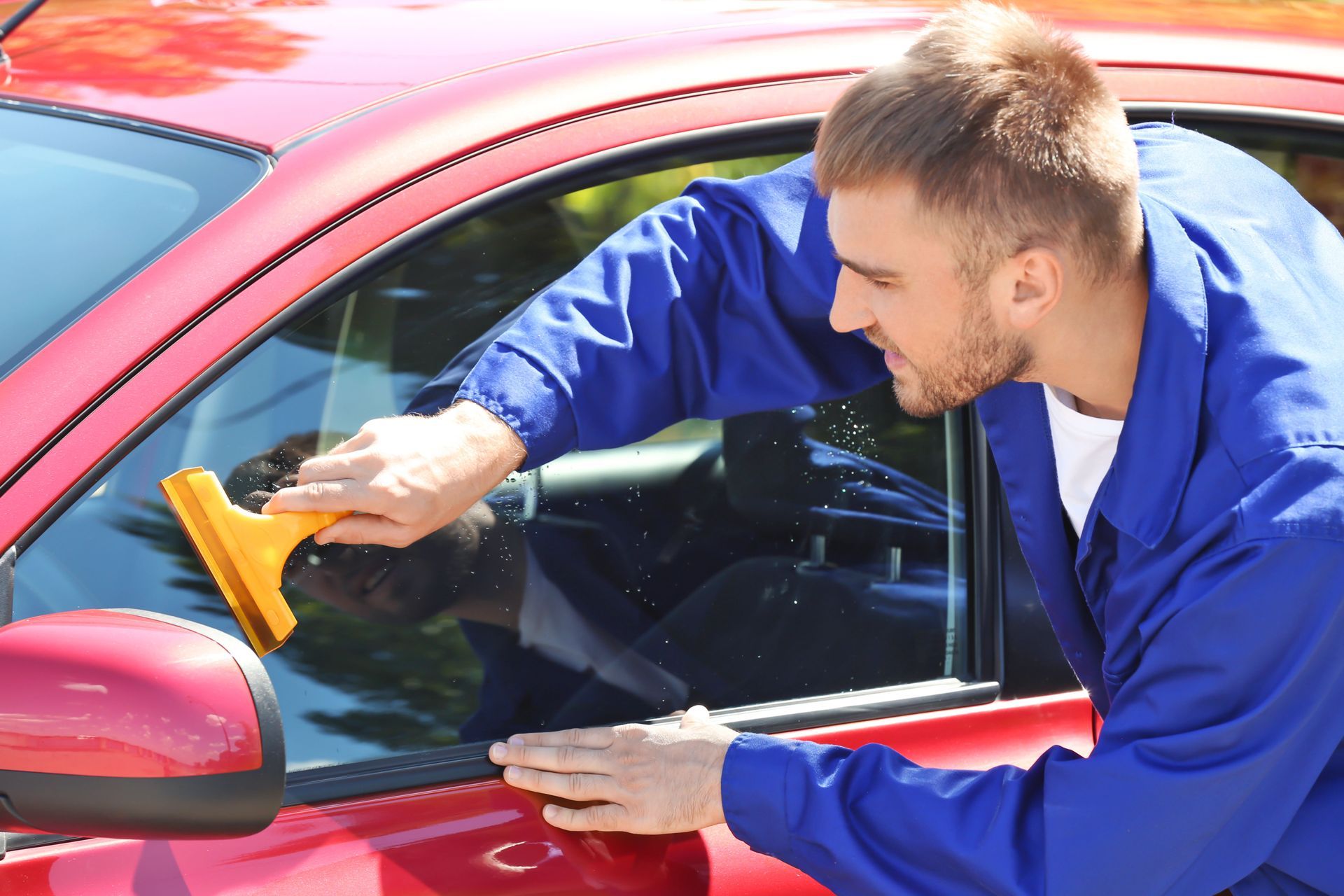
Vehicles represent significant personal investments, making interior care just as critical as routine engine maintenance and mechanical servicing. Day after day, intense sunlight pours through clear glass, transforming quiet cabins into miniature ovens and exposing delicate materials to constant radiation. Without proper defensive barriers, plush upholstery, modern touchscreens, and pristine dashboards slowly degrade, lose color, and deteriorate under continuous solar exposure. Professional car tinting offers an effective shield against thermal build-up and ultraviolet damage, preserving both vehicle aesthetic appeal and long-term resale value. Exploring how advanced solar films protect cabin surfaces provides clear insight into why tinting remains an essential upgrade for vehicle longevity.
Understanding Invisible Ultraviolet Radiation and Solar Energy
Sunlight reaching the Earth contains invisible energy spectrums that directly accelerate material aging inside automobile cabins. Ultraviolet rays penetrate standard untinted auto glass easily, breaking down molecular bonds within dyed fabrics, natural leathers, and molded plastics over time. High-quality car tinting acts as a physical barrier that filters out up to ninety-nine percent of these destructive radiation waves. By blocking ultraviolet wavelengths at the glass surface, window film prevents deep chemical breakdown across interior components. Keeping energy waves outside the vehicle ensures that cabin materials remain vibrant, strong, and visually appealing throughout years of daily driving.
Comprehending the Mechanics of Solar Heat Transfer inside Vehicles
When sunlight strikes untreated automotive glass, solar energy passes through and is absorbed directly into dark dashboards, seats, and interior trim pieces. This absorbed energy converts into radiant heat, trapping thermal energy inside the cabin and creating uncomfortable interior temperatures. Professional car tinting interrupts this heat transfer process by reflecting and absorbing thermal radiation before it enters the passenger compartment. Reduced thermal absorption keeps cabin air significantly cooler, even when parked in direct sunlight during hot summer afternoons. Minimizing heat accumulation creates a comfortable driving environment while reducing initial air conditioning demands upon entering the vehicle.
Preventing Leather and Synthetic Upholstery Fading
Leather and premium synthetic upholstery materials require balanced moisture and precise temperature environments to maintain their soft texture and natural color. Exposure to unfiltered sunlight causes rich leather dye to fade unevenly, leaving seats looking aged, dry, and worn. Additionally, solar heat evaporates essential natural oils within leather hides, leading to stiffening, surface cracking, and permanent structural damage. Applying car tinting blocks damaging light waves and maintains consistent cabin temperatures, helping leather and vinyl retain soft suppleness. Preserving upholstery integrity keeps seating comfortable and visually impressive over extended periods of vehicle ownership.
Shielding Dashboards and Delicate Digital Electronics
Modern vehicle dashboards house sensitive electronic displays, intricate navigation screens, and vital safety airbag deployment systems beneath synthetic covers. Extreme heat accumulation causes plastic dashboards to warp, discolor, expand, and crack, compromising aesthetic value and mechanical function. Furthermore, digital touchscreens and electronic sensors suffer performance degradation or premature component failure when repeatedly exposed to high internal temperatures. Implementing car tinting protects delicate dashboard materials and underlying digital hardware from destructive thermal exposure. Keeping dashboard areas cool ensures reliable electronics operation and prevents costly instrument panel replacement expenses down the road.
Considering the Impact of Thermal Expansion and Material Warping
Vehicles parked under direct sunlight experience intense temperature swings that cause internal components to expand rapidly during the day and contract at night. This continuous cycle of rapid thermal expansion and contraction places immense physical stress on glued seams, interior trim panels, and door moldings. Over time, plastic trim pieces become brittle, warp out of alignment, and develop annoying squeaks or rattles while driving. Professional car tinting minimizes extreme interior temperature spikes, stabilizing cabin conditions throughout shifting daily weather. Steady thermal management preserves panel alignment and prevents decorative interior trim pieces from coming loose or cracking.
Utilizing Atmospheric Variations and Regional Climate Conditions
Geographical location, elevation, and regional climate variations significantly influence the intensity of vehicle interior solar degradation. Vehicles operated in high-altitude environments experience elevated ultraviolet intensity, accelerating fabric fading and material degradation much faster than in sea-level locations. Similarly, coastal and humid regions combine solar radiation with high atmospheric moisture, exacerbating material discoloration and surface breakdown. Utilizing car tinting provides consistent, reliable protection that compensates for local climatic pressures regardless of regional weather patterns. Vehicle owners can drive confidently knowing their interior protection remains effective across diverse geographic environments and changing seasons.
Enhancing Overall Vehicle Aesthetic Appeal and Privacy
Beyond providing essential thermal protection and material preservation, window film significantly enhances the exterior profile and visual balance of any automobile. According to Energy5, 71% of car owners believe that window tints enhance the overall appeal of their vehicles, making it a favored aesthetic modification. Sleek film shades create a unified appearance that complements vehicle body lines while offering added privacy for passengers and stored personal belongings. Quality car tinting deters curious onlookers from peering inside, keeping valuable items safely hidden from view when parked in public spaces. Combining visual style, cabin privacy, and material protection yields maximum overall satisfaction for daily drivers.
Improving Fuel Efficiency and Air Conditioning Performance
Operating a vehicle in blistering heat requires running the air conditioning system continuously at maximum capacity to maintain comfortable cabin temperatures. Heavy air conditioning use places extra mechanical strain on the engine and battery systems while consuming additional fuel or electric range. By rejecting substantial solar heat at the window glass, car tinting allows air conditioning systems to cool the cabin much faster and maintain set temperatures with lower fan speeds. Reduced HVAC workload directly translates to improved fuel economy, extended battery range in electric vehicles, and decreased mechanical wear on climate control components.
Understanding the Long-Term Preservation of Vehicle Resale Value
A vehicle's interior condition plays a massive role in determining its overall market value during trade-in evaluations or private sales. Potential buyers notice faded seats, cracked dashboards, and warped interior trim immediately, often drastically discounting their offers to account for restoration costs. Installing car tinting acts as a proactive investment that safeguards the original cabin condition against progressive solar damage. Maintaining pristine upholstery, intact trim pieces, and vibrant colors preserves strong resale appeal and secures higher valuation when the time arrives to upgrade vehicles. Ultimately, protecting interior surfaces from daily sun exposure ensures your automobile retains its showroom quality and maximizes financial returns when trading it in.
Selecting Advanced Solar Tint Film Technologies
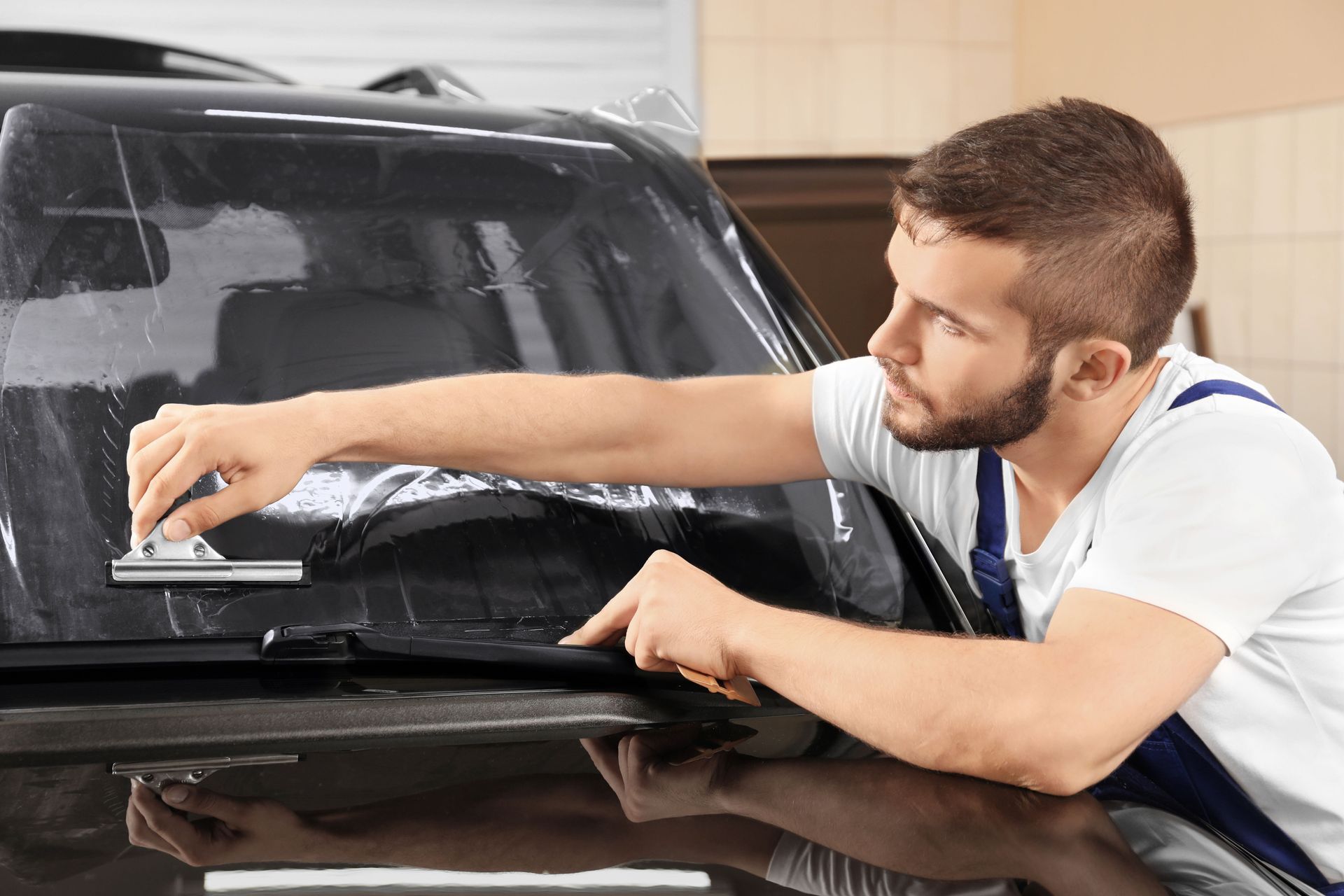
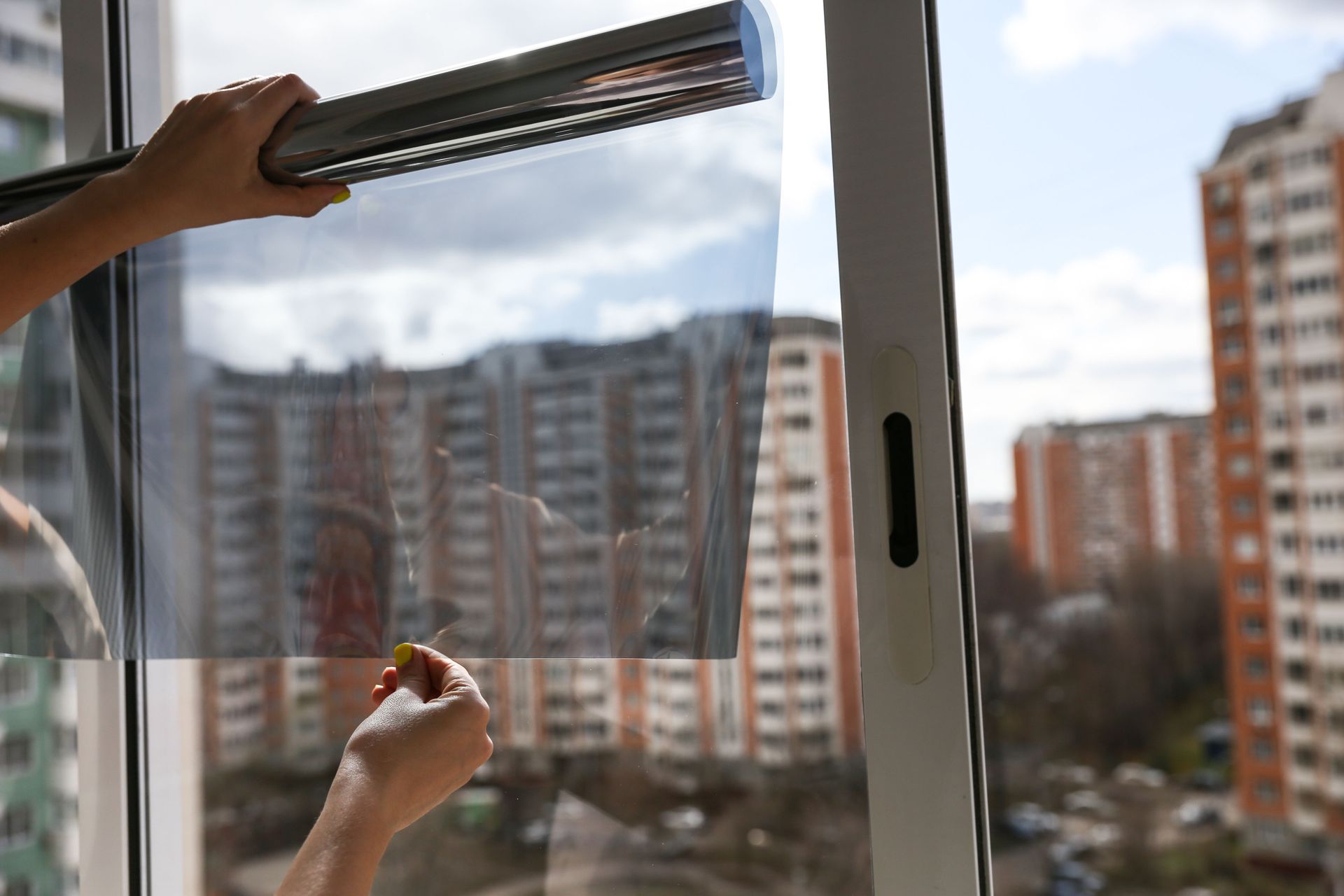
Modern automotive window films utilize advanced material science, including carbon particles and non-conductive ceramic nano-particles, to deliver exceptional heat rejection without interfering with electronic signals. Ceramic films block high percentages of infrared heat while remaining clear enough to meet local legal light transmission standards. Investing in high-grade film materials through professional car tinting ensures long-lasting clarity without risk of film bubbling, peeling, or turning purple over time. Selecting premium solar control technologies guarantees superior durability, maximum heat rejection, and dependable UV protection for years of daily driving.
Protecting a vehicle's interior from thermal build-up and ultraviolet radiation is vital for maintaining long-term comfort, beauty, and structural durability. Unmanaged solar energy quickly ruins upholstery, warps dashboards, damages electronics, and diminishes resale value. Professional car tinting applications deliver a comprehensive defense system that rejects destructive rays, reduces cabin heat, and enhances driving comfort. Prioritizing solar protection keeps automobile interiors looking fresh, dry, and luxurious throughout every season. Choosing high-performance window treatments guarantees lasting peace of mind and superior comfort behind the wheel. For top-quality window film installations and complete interior protection, contact Total Image Window Tinting to explore customized automotive solar control options.