October 16, 2026
Light wave reflection occurs when ambient sunlight bounces off glass windows, mirrors, or electronic screens. Sunlight striking polished indoor surfaces creates blinding glare that reduces visual clarity across living spaces. Managing light angles and surface reflectivity is critical for maintaining a comfortable visual environment. Applying high-performance residential window tinting modifies these light wave interactions directly at the glass surface. Specially engineered solar films decrease surface reflections, allowing families to enjoy natural sunlight without experiencing painful visual glare.
Enhancing Screen Visibility
Uncontrolled sunlight reflecting off computer monitors and televisions obscures display details and washes out colors. Reduced display clarity forces remote workers and families to strain their eyes when viewing digital screens. Professional solar films regulate how much visible light passes through window glass, preventing washed-out displays. Utilizing custom residential window tinting ensures interior screens remain crisp, vivid, and comfortable to view. Controlling ambient indoor light levels optimizes digital display performance while reducing daily eye fatigue.
Managing Household Reflections
Polished hardwood floors, stainless steel kitchen appliances, and mirrored home accents frequently reflect direct sunlight into living areas. Highly reflective interior finishes convert natural daylight into harsh visual glare that interrupts work and leisure activities. Balancing interior decor choices with natural lighting requires strategic window treatments that regulate glare at the source. Utilizing customized residential window tinting eliminates reflective hot spots while preserving interior design aesthetics. Strategic solar film placement maintains comfortable ambient lighting across open-concept kitchens and living rooms.
Recognizing Traditional Shortfalls
Traditional window coverings like heavy drapes, wooden blinds, and fabric shades require complete closure to block incoming glare. Shutting blinds eliminates beneficial natural daylight, forcing homeowners to rely on artificial overhead lighting during daytime hours. According to This Old House, installing appropriate window films reflects up to 70% of the solar heat that would otherwise enter through untreated glass. Traditional window treatments lack the dynamic performance required to manage heat gain and glare simultaneously. Utilizing advanced residential window tinting delivers continuous light regulation without sacrificing natural views or daylight.
Elevating Home Performance
Modern residences demand versatile architectural solutions that improve energy performance without darkening living spaces. Applying high-performance window films reduces solar heat gain significantly, taking a massive load off home cooling systems during summer months. Reflecting solar heat before it enters glass doors and windows lowers monthly utility expenses substantially. Advanced solar films provide superior thermal insulation and glare rejection compared to bulky fabric drapes. Utilizing specialized residential window tinting enhances home energy efficiency while maintaining bright, welcoming room interiors.
Preserving Architectural Aesthetics
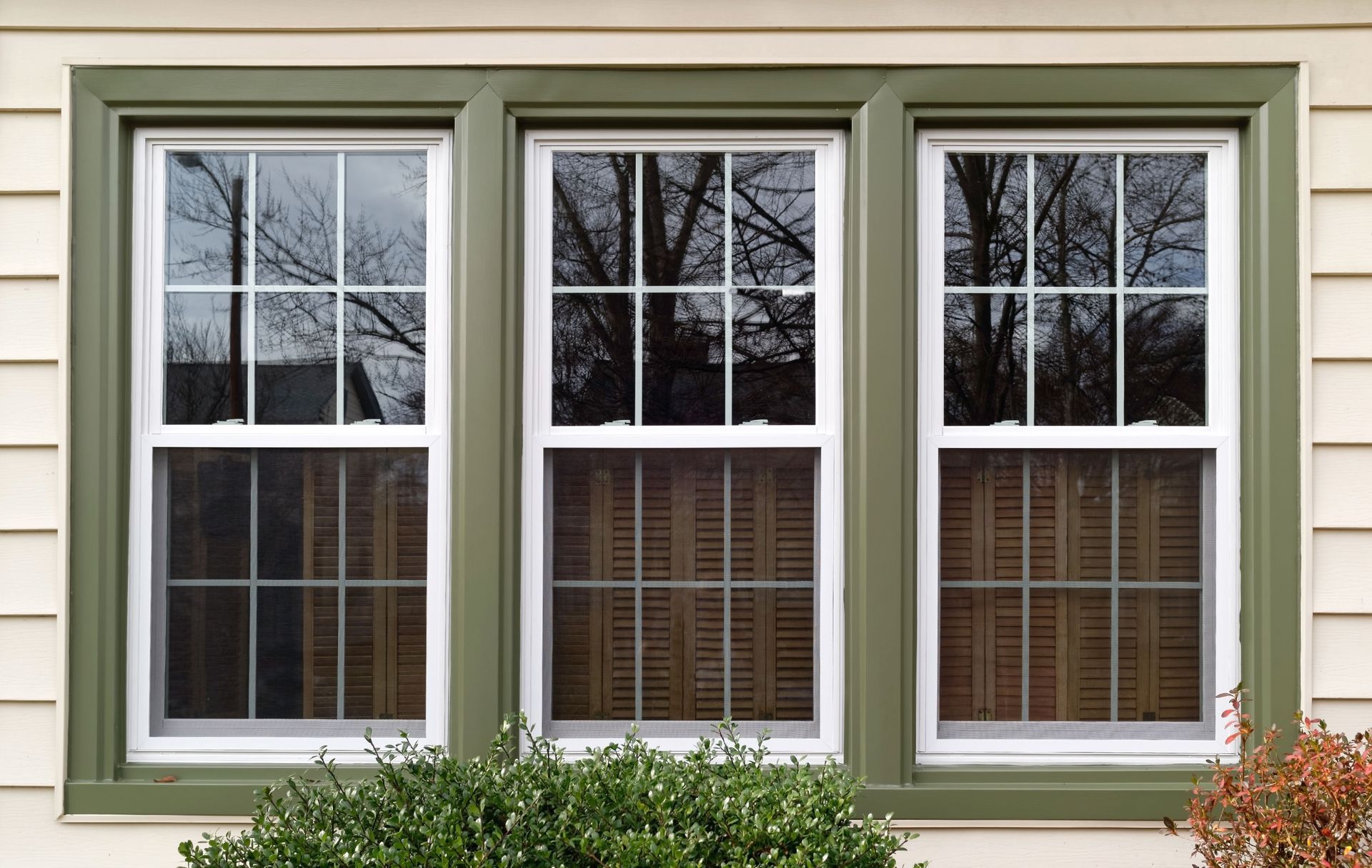
Subtle architectural window films complement modern window designs without altering the exterior appearance of your home. Clean, low-reflection films integrate seamlessly with traditional double-hung windows, contemporary picture glass, and sliding patio doors. Homeowners can enhance indoor visual comfort without installing heavy, dust-collecting fabric drapes or bulky exterior shutters. Custom film options allow precise personalization to resolve specific heat and glare challenges across individual rooms. Utilizing specialized residential window tinting maintains clean architectural lines while transforming daily indoor comfort.
Enhancing Daytime Privacy
Applying reflective or dual-reflective window films prevents outsiders from peering into your home during daylight hours. High-density films limit exterior visibility while maintaining crystal-clear, bright views from the inside looking out. Families can relax in bright, sunlit living rooms without drawing heavy curtains or sacrificing natural outdoor scenery. Daytime privacy films enhance home security and personal comfort, creating a secluded sanctuary indoors. Utilizing specialized residential window tinting provides privacy and open, sun-filled interiors simultaneously.
Comparing Film Functionality
Architectural window films regulate solar energy at the exterior glass surface, refining light quality before it enters the room. Physical drapes and blinds merely block light after it passes through glass, trapping solar heat inside the living space. Continuous film treatments eliminate the daily chore of opening and closing heavy blinds as the sun moves. Unobtrusive window films provide steady, maintenance-free climate and glare control that physical window coverings cannot match. Choosing dynamic solar films delivers superior performance and modern convenience.
Filtering Visible Spectrum
Engineered window films act as optical filters, selectively blocking harsh solar wavelengths while permitting beneficial visible light. Multi-layer film construction absorbs infrared radiation and deflects UV rays while keeping indoor spaces bright and inviting. Filtering harsh light frequencies eliminates blinding glare on digital displays without creating dark, cave-like room interiors. Balanced light filtration creates a comfortable, illuminated home environment optimized for work and relaxation. Advanced optical engineering ensures natural daylight remains a warm, welcoming feature in your home.
Regulating Indoor Temperatures
Managing solar heat gain through window glass stabilizes indoor ambient temperatures across second-story bedrooms and sunrooms. Eliminating hot spots creates consistent, comfortable temperatures from room to room, reducing air conditioning strain. Consistent climate control prevents HVAC units from cycling constantly, extending equipment life and lowering utility bills. Protecting electronics from ambient heat exposure preserves battery health and internal circuit performance over time. Applying high-performance window treatments improves home comfort, energy efficiency, and technology protection simultaneously.
Deflecting Solar Energy
Reflective window films utilize embedded micro-metallic particles to bounce intense solar radiation away from home windows. Bouncing direct sunlight off glass surfaces prevents thermal energy from entering living spaces and heating up interior air. Shading room interiors naturally reduces reliance on artificial cooling without sacrificing bright daytime views. Reflective films manage extreme heat and glare by converting incoming light into harmless, reflected energy outside. Powerful solar deflection makes reflective treatments ideal for expansive glass walls and sunrooms.
Absorbing Excess Light
Absorbing solar films utilize specialized optical layers to capture excess visible light, reducing room brightness to comfortable levels. Softening intense daylight eliminates harsh screen glare while maintaining warm, natural ambient lighting throughout the room. Absorptive materials filter out 99% of destructive UV rays, protecting interior flooring, artwork, and furniture. Homeowners seeking straightforward, non-reflective light control benefit greatly from absorptive film installations. Absorbing technology offers a simple, highly effective strategy for controlling bright room interiors.
Combining Protective Technologies
Pairing reflective exterior capabilities with absorptive interior layers creates a comprehensive, multi-faceted solar barrier. Hybrid film designs combine the intense heat rejection of metalized films with the soft, anti-glare aesthetics of dyed options. Combining protective technologies maximizes UV filtration, glare reduction, and solar heat rejection within a single installation. Tailoring hybrid film formulations to your property's unique sun exposure yields unmatched year-round performance. Professional film selection guarantees a custom solar control system engineered for your lifestyle.
Comparing Surface Treatments
Architectural window tinting regulates incoming natural light across entire rooms, whereas anti-glare coatings only treat individual electronic screens. Applying solar film to window glass prevents sunlight from heating up rooms and reflecting off multiple interior surfaces. Screen coatings protect specific devices from localized reflections but do nothing to stop solar heat build-up or interior furniture fading. Window tinting offers a comprehensive, room-wide solution that improves overall living comfort and energy efficiency. Transforming whole-room light environments provides far greater lifestyle benefits than treating single devices.
Combining whole-room window tinting with device-specific anti-glare screen protectors creates the ultimate visual environment for digital work. Solar window films eliminate harsh ambient sunlight and heat gain across the entire room envelope. Anti-glare device coatings suppress localized reflections caused by indoor artificial lamps and overhead light fixtures. Utilizing both protective technologies guarantees crystal-clear screen visibility, maximum visual comfort, and optimal climate control. To eliminate annoying screen glare and transform your home's natural lighting, trust Total Image Window Tinting.