October 13, 2026
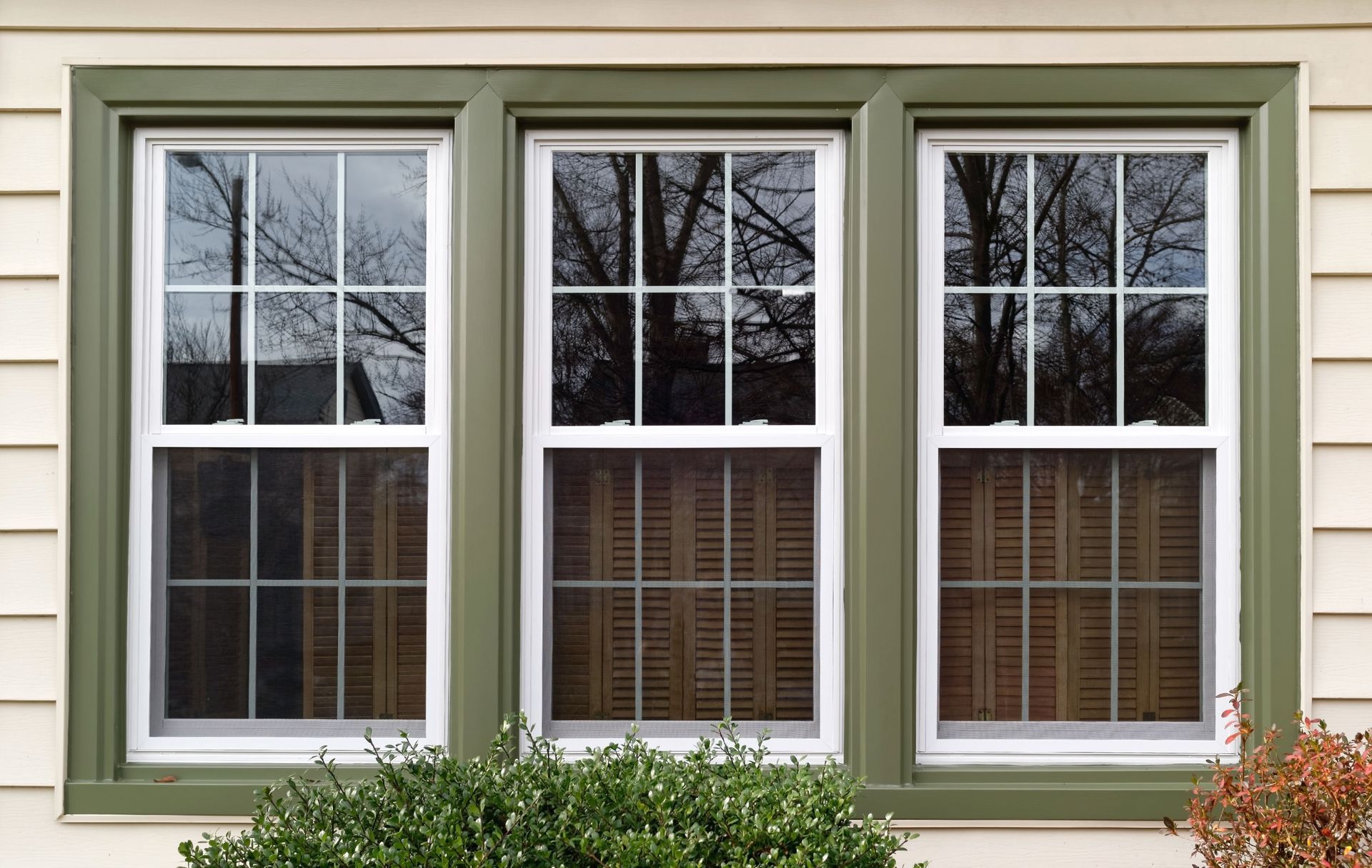
Summer heat can put significant pressure on a home's HVAC system, especially when direct sunlight enters through windows and raises indoor temperatures. As the air conditioner works harder to offset this added heat, energy use can increase, and equipment may experience additional wear. Home window tinting offers a practical way to reduce solar heat gain while also improving comfort and protecting interior spaces from UV exposure. Understanding how window tinting affects indoor temperatures can help homeowners make informed decisions about managing cooling demands and supporting HVAC efficiency during the hottest months.
Understanding HVAC System Demands
Maintaining Indoor Comfort
During summer, rising outdoor temperatures can force HVAC systems to work harder to keep indoor spaces comfortable. Air conditioning must continually remove heat from the home, which can increase energy use and place additional strain on system components. Home window tinting can help reduce this burden by limiting the amount of solar heat entering through windows. By reducing heat gain before it spreads throughout the home, tinting can help create a more comfortable indoor environment while supporting more efficient cooling.
Managing Temperature Changes
Consistent indoor temperatures are important for comfort and efficient HVAC operation. Homes with significant sun exposure can experience warmer rooms near windows, causing the air conditioner to run longer or more frequently. Excessive heat can also make it difficult to maintain a consistent thermostat setting. Reducing the amount of solar heat entering through windows can help minimize these temperature fluctuations and make it easier for an HVAC system to maintain the desired indoor climate.
Recognizing HVAC Strain
Several signs may indicate that an HVAC system is working harder than necessary. Rising summer energy bills, frequent cycling, uneven temperatures, unusual noises, and longer cooling cycles can all point to increased demand. Poor insulation, dirty filters, blocked vents, and direct sunlight can contribute to the problem. Addressing sources of excess heat can reduce the workload placed on the system and potentially help limit unnecessary wear over time.
Preventing Long-Term Wear
Continuous operation can contribute to premature wear on HVAC components. When an air conditioner must constantly compensate for heat entering through windows, components may experience greater operational stress. Over time, this can contribute to more frequent maintenance needs or an earlier replacement. Reducing indoor heat gain is one way homeowners can support more balanced HVAC operation throughout the hottest months of the year.
Explaining How Window Tinting Works
Reducing Solar Heat Gain
Window tinting uses a thin film applied to glass to control how much solar energy passes through a window. Depending on the type of film, it can reflect or absorb portions of incoming solar radiation, reducing the amount of heat that reaches indoor surfaces. Home window tinting, therefore, provides a passive approach to managing heat without requiring additional electricity. This can be particularly useful for windows that receive direct sunlight for several hours each day.
Controlling UV Exposure
Heat reduction is not the only benefit. According to HomeGuide, window tinting can block up to 99% of harmful UV rays. Limiting UV exposure can help protect flooring, furniture, artwork, and other interior surfaces from fading. It can also reduce the amount of ultraviolet radiation entering living spaces. This added protection makes window film useful for homeowners who want to address both solar heat and UV exposure.
Balancing Light and Visibility
Effective window film does not necessarily mean making a home dark. Different films allow varying amounts of visible light to pass through, giving homeowners options based on their preferences. Quality films can reduce glare and heat while preserving natural daylight and outdoor views. Choosing the appropriate level of light transmission can help maintain a bright, comfortable environment without allowing excessive sunlight to increase indoor temperatures.
Selecting Suitable Film Types
Window films are available in several varieties, including reflective, dyed, ceramic, and hybrid options. Reflective films can provide strong solar control, while ceramic films are designed to offer heat and UV protection without significantly affecting visibility. Dyed films can provide a more budget-friendly option, and hybrid films combine characteristics from different film technologies. The right choice depends on factors such as window orientation, sunlight exposure, desired appearance, and performance goals.
Managing Sunlight and Indoor Heat
Understanding Solar Heat Gain
Solar heat gain occurs when sunlight passes through windows and warms interior surfaces. Those surfaces then release heat into the surrounding air, increasing the indoor temperature. During summer, this process can make rooms noticeably warmer and increase the demand placed on an air conditioning system. Managing solar heat gain can therefore play an important role in maintaining comfort and reducing unnecessary cooling demands.
Reducing Heat Through Windows
Windows are an important pathway for sunlight to enter a home. While natural light is valuable, direct solar exposure can contribute significantly to indoor heat buildup. Home window tinting helps address this issue by reducing the amount of solar energy transmitted through the glass. With less heat entering sun-facing rooms, the HVAC system may not need to run as frequently or for as long to maintain a comfortable temperature.
Lowering Cooling Demands
Reducing solar heat gain can help lower the cooling demand placed on an HVAC system. This is especially relevant during the hottest part of the day, when outdoor temperatures and sunlight exposure are both high. A cooler interior gives the air conditioner less heat to remove, potentially allowing it to operate more efficiently. While home window tinting is not a replacement for proper HVAC maintenance or insulation, it can complement other strategies for managing indoor temperatures.
Supporting More Stable Energy Use
When less heat enters through windows, the HVAC system may require less energy to maintain the desired temperature. This can help homeowners manage seasonal cooling costs while improving overall energy efficiency. The exact savings depend on factors such as climate, window size, home construction, HVAC efficiency, and the amount of direct sunlight the property receives.
Improving HVAC Efficiency With Window Tinting
Reducing HVAC Workloads
One of the primary advantages of window tinting is its ability to reduce the amount of heat an HVAC system must counteract. With less solar heat entering the home, the cooling system can work under less demanding conditions. Home window tinting can be particularly beneficial in rooms with large windows or significant afternoon sun exposure, where heat buildup can be more noticeable.
Supporting Equipment Longevity
Reducing HVAC workload can also help limit unnecessary wear on the system. Air conditioners that operate excessively may experience greater stress on components such as motors, compressors, and fans. Window film cannot eliminate normal maintenance requirements, but reducing the cooling burden may support more balanced operation and contribute to the system's long-term performance.
Improving Temperature Consistency
Sun-facing rooms can become warmer than other areas of the home, creating uncomfortable temperature differences. Window tinting can help moderate those areas by reducing solar heat entering through the glass. A more consistent indoor environment may make it easier to maintain comfortable thermostat settings throughout the day.
Supporting Overall Efficiency
Energy efficiency often comes from combining several improvements rather than relying on a single solution. Proper insulation, clean HVAC filters, regular professional maintenance, efficient thermostat settings, and solar-control measures can all contribute to better performance. Home window tinting can complement these efforts by addressing heat at one of its entry points.
Protecting Your HVAC System With Window Tinting
Summer heat can place significant demands on an HVAC system, especially when direct sunlight enters through large or sun-facing windows. Window tinting provides a practical way to reduce solar heat gain, support more consistent indoor temperatures, limit UV exposure, and potentially reduce cooling demands. Homeowners interested in making their homes more comfortable and energy efficient can turn to Total Image Window Tinting for professional guidance and installation. A properly selected window film can complement existing HVAC and energy-efficiency measures while helping create a cooler, more comfortable home throughout the summer.