October 9, 2026
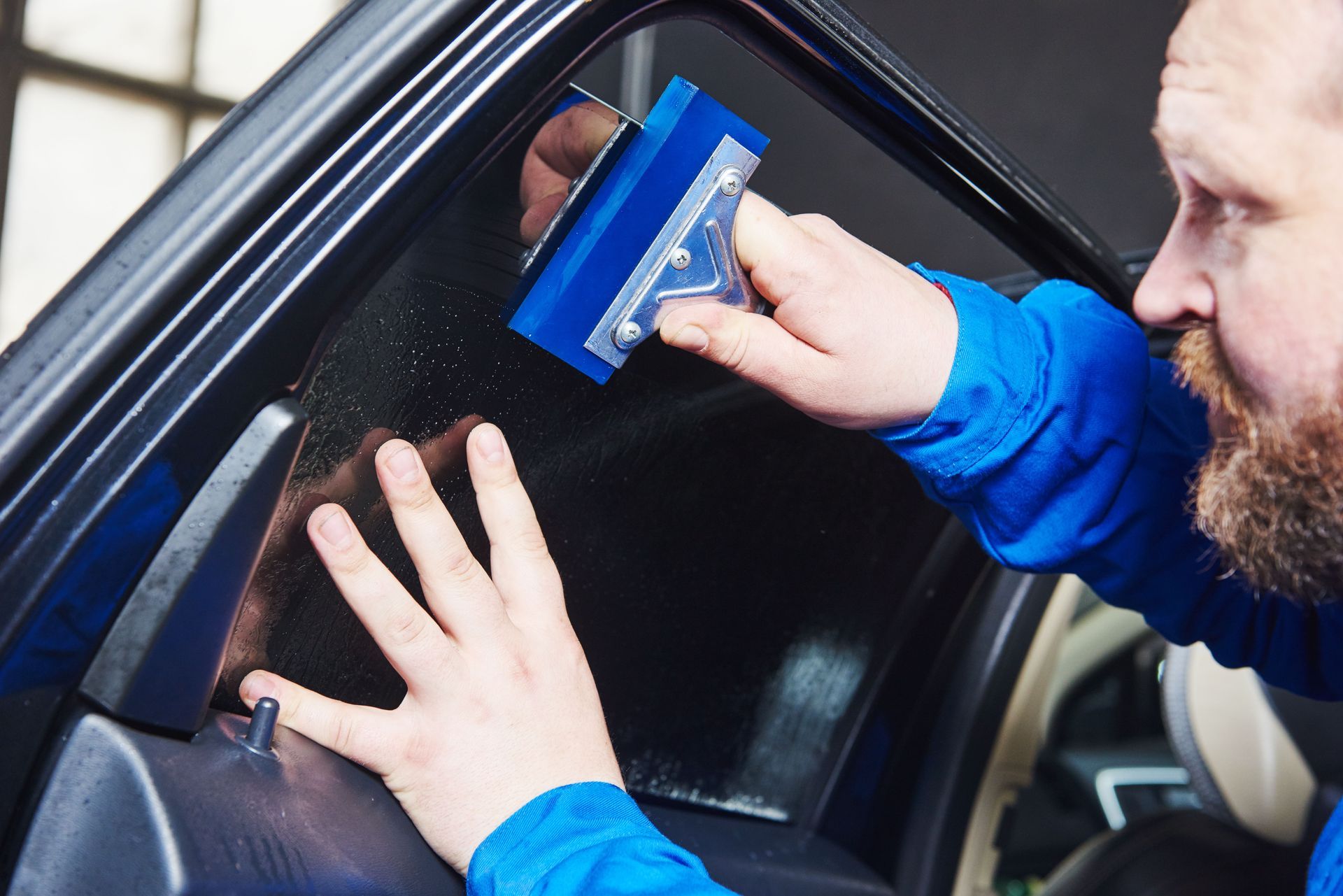
The practice of tinting vehicle glass began in the 1960s as a simple cosmetic upgrade to add privacy and reduce interior glare for luxury automobiles. Over the decades, advanced material engineering transformed cosmetic films into high-performance protective barriers accessible to all drivers. Today, specialized solar control films block dangerous radiation, with the Skin Cancer Foundation noting that these films block more than 99% of UVA and UVB rays. Modern auto window tint technology safeguards passenger health while delivering exceptional daily driving comfort.
Exploring Film Options
Vehicle owners can choose from several distinct film formulations depending on their heat rejection goals and budget constraints. Basic dyed films offer dark aesthetics and privacy at an accessible price point, though they provide limited heat rejection. Metalized films utilize micro-metallic particles to reflect heat away from vehicle glass, while advanced ceramic films block solar radiation without interfering with electronic signals. Utilizing high-performance auto window tint ensures your vehicle cabin stays cool while keeping cell phone, GPS, and radio signals clear.
Calculating Real Savings
Upfront installation costs for premium solar films are quickly offset by long-term fuel savings and reduced vehicle maintenance. Blocking solar heat gain reduces air conditioning demands, which preserves fuel and extends the operational lifespan of expensive AC compressors. Protective films prevent leather seats from drying out, dashboard materials from cracking, and interior fabrics from fading under direct sun. Installing high-quality auto window tint protects your vehicle's resale value while lowering weekly operating expenses.
Blocking Solar Heat
Solar heat enters vehicle cabins when sunlight penetrates untreated window glass and absorbs into dark interior upholstery. Trapped solar energy turns parked vehicles into sweltering ovens that demand heavy air conditioning during summer months. Solar control films act as a protective thermal barrier, reflecting and absorbing direct solar radiation before it enters the cabin. Regulating cabin temperatures keeps your car significantly cooler when parked in direct sunlight.
Rejecting Infrared Radiation
Infrared (IR) radiation constitutes the specific spectrum of invisible sunlight responsible for intense, piercing solar heat inside vehicles. Advanced solar control films selectively absorb and deflect high percentages of infrared rays before they pass through window glass. Blocking IR radiation reduces cabin heat build-up dramatically, taking a massive thermal burden off your car's AC unit. High-performance auto window tint technology delivers a noticeably cooler cabin without requiring dark, visibility-limiting window shades.
Filtering UV Rays
In addition to rejecting thermal heat, solar control films filter out up to 99% of damaging UVA and UVB rays according to the Skin Cancer Foundation. Continuous UV filtration prevents skin damage, premature aging, and sunspots during long daytime drives. Protecting interior cabin materials prevents expensive leather seats, vinyl dashboards, and door trim from sun-bleaching and cracking. Applying protective solar film safeguards passenger health while keeping your interior looking brand new.
Lowering AC Strain
Solar control films stabilize interior cabin temperatures, preventing rapid heat build-up while your vehicle is parked in the sun. Cooler starting temperatures allow your vehicle's air conditioner to cool the cabin rapidly using lower fan speeds. Reducing the operational workload on your AC system prevents component overheating and decreases mechanical wear on air compressors. Protecting internal cooling components reduces routine maintenance expenses over the lifespan of your vehicle.
Improving Fuel Efficiency
Running a vehicle's air conditioning compressor places a heavy mechanical load on the engine, increasing overall fuel consumption. Maintaining a cooler cabin reduces reliance on maximum AC settings, conserving engine power and lowering fuel burn during summer drives. Fuel savings accumulate rapidly during long highway trips and extended stop-and-go commutes in hot climates. Applying specialized auto window tint lowers monthly gas bills while providing a more comfortable driving environment.
Enhancing Driving Comfort
Stabilizing interior cabin temperatures transforms daily driving into a relaxed, comfortable, and enjoyable experience. Blocking intense sunlight eliminates blinding glare, reducing eye strain and driving fatigue during morning and afternoon commutes. Passengers enjoy a cooler, quieter, and more private cabin environment during long road trips. Installing high-performance auto window tint elevates overall passenger comfort while protecting your eyes from harsh road glare.
Upgrading Cabin Cooling
Ventilated seating, upgraded cabin fans, and tinted glass sunroofs work together to manage interior temperatures during hot summer months. Tinted sunroof glass prevents overhead solar heat from beaming directly down onto drivers and front passengers. Combining tinted sunroofs with side and rear window films creates a complete thermal barrier across all vehicle glass. Integrating multiple passive cooling features maximizes cabin comfort while minimizing air conditioning energy use.
Managing Film Recycling
Responsible disposal and recycling practices ensure retired window film materials do not contribute unnecessarily to local landfill waste. Modern film manufacturers increasingly utilize recyclable PET plastics and environmentally conscious adhesives during production. Choosing eco-friendly film installers guarantees old window film is removed and recycled in accordance with local environmental guidelines. Supporting sustainable manufacturing practices within the automotive industry protects local ecosystems and reduces manufacturing waste.
Protecting Local Ecosystems
Decreasing fuel consumption across millions of personal vehicles reduces atmospheric pollution, supporting cleaner air and healthier local ecosystems. Mitigating exhaust emissions protects regional watersheds, plant life, and urban air quality from harmful pollutants. Sustainable vehicle modifications contribute to broader environmental conservation efforts, benefiting local communities and natural habitats. Adopting energy-efficient driving practices supports global environmental health through collective, everyday energy savings.
Supporting Green Governance
Leading window film manufacturers adhere to strict environmental standards, utilizing sustainable manufacturing processes and non-toxic materials. Purchasing products from environmentally responsible companies supports green manufacturing and ethical business practices across the automotive industry. Regulatory compliance ensures window films meet safety, environmental, and performance standards established by global governing bodies. Supporting eco-conscious suppliers drives positive environmental change and advances sustainable manufacturing technologies.
Utilizing Smart Tinting
Electrochromic and photochromic smart films adjust their tint density automatically based on real-time sunlight intensity and ambient electric currents. Next-generation smart films allow drivers to adjust glass transparency at the push of a button, optimizing privacy and glare control dynamically. Integrating smart glass technology with automated vehicle systems represents the future of user-centered automotive climate control. Advanced adaptive films anticipate changing weather conditions, delivering ultimate control over cabin light, heat, and privacy.
Advancing Material Design
Innovations in nanocomposite materials allow manufacturers to engineer thinner, stronger films that block infrared heat without darkening window glass. Modern multi-layer ceramic films offer extreme heat rejection while maintaining near-perfect optical transparency for nighttime driving safety. Sustainable production methods reduce the carbon footprint of manufacturing advanced solar films, appealing to eco-conscious consumers. Evolving film designs combine sleek vehicle aesthetics with high-performance heat rejection and environmental responsibility.
Integrating Connected Vehicles
Modern connected vehicles integrate smart window films directly into automated digital climate control systems for maximum energy efficiency. Smart vehicles can automatically darken window glass when parked in direct sunlight to prevent cabin heat build-up before the driver returns. Automated tint control reduces battery drain in electric vehicles, extending driving range by minimizing air conditioning power consumption. Fusing smart window films with automotive digital networks creates an intelligent, energy-efficient cabin environment.
Automotive consumers increasingly demand multi-functional vehicle modifications that combine personal style, energy efficiency, and high performance. Growing interest in electric vehicles drives demand for advanced ceramic films that reduce AC power consumption and preserve battery range. Manufacturers continue developing customized film colors, varying reflection levels, and specialized heat rejection formulas to meet diverse buyer preferences. Evolving market trends reflect a growing consumer appreciation for passive solar control and sustainable driving. To upgrade your vehicle with high-performance solar protection, expert installation, and exceptional heat rejection, trust Total Image Window Tinting.