November 23, 2026
Driving exposes you to sunlight for more time than you may realize. Daily commutes, school drop-offs, errands, road trips, and time spent sitting in traffic can all add up. Vehicle glass provides some protection, but not every window blocks the same amount or type of ultraviolet radiation. Auto window tint can add another layer of protection while also improving comfort and reducing glare inside the vehicle.
For drivers in Toledo and surrounding communities, professional window film can be especially useful for vehicles that spend long periods on the road or parked in direct sun. Understanding how UV exposure happens through automotive glass can help you choose a film based on protection and performance rather than appearance alone.
Understand How UV Exposure Happens Inside a Vehicle
Ultraviolet radiation is part of the energy produced by the sun. UVA and UVB rays are the forms most often discussed in relation to skin exposure. Although glass can reduce some ultraviolet radiation, the amount of protection depends on the type of automotive glass and where it is installed on the vehicle.
The Skin Cancer Foundation explains that most modern windshields are laminated and already block almost all UV rays. Side and rear windows and sunroofs, however, may provide less protection from UVA. That distinction matters because drivers and passengers can spend significant amounts of time beside those windows during everyday travel.
Sun exposure through vehicle windows may not feel as intense as standing outside, but it can still be worth considering when you spend hours behind the wheel each week.
Know What Clear Window Film Can Block
Window film does not have to be extremely dark to provide meaningful ultraviolet protection. That is an important distinction for drivers who want UV defense without dramatically changing the appearance of their vehicle or reducing visible light more than necessary.
According to the Skin Cancer Foundation, clear automotive window films can block 99% of ultraviolet radiation, helping protect drivers and passengers from UV exposure. This makes film performance more important than simply judging a product by how dark it looks.
When comparing auto window tint, ask about UV-blocking performance, visible light transmission, heat rejection, glare reduction, and compatibility with the glass being treated. These characteristics can help you understand what the film is designed to accomplish before installation.
Consider Which Windows Need Added Protection
Different parts of a vehicle can present different exposure conditions. The windshield, front side windows, rear side windows, back glass, and sunroof may use different types of glass or have different factory treatments. A professional installer can evaluate the vehicle and explain which areas may benefit from additional film.
Driver-side exposure deserves particular attention because one side of the body can remain close to a side window for much of a commute. Passengers may experience similar exposure depending on seating position, travel direction, and time of day.
The goal is not necessarily to apply the darkest film everywhere. Instead, the film should fit the vehicle, applicable requirements, and the driver's priorities for UV protection, glare, heat, visibility, and appearance.
Balance UV Protection With Driving Visibility
UV protection is only one consideration when choosing automotive film. Drivers also need comfortable visibility during daytime, nighttime, and changing weather conditions. A film should support the way the vehicle is actually used rather than solving one problem while creating another.
Total Image Window Tinting offers anti-glare options for navigation screens and windshields as well as automotive films designed for UV protection and heat reduction. These different products allow drivers to address specific areas instead of assuming every glass surface needs exactly the same treatment.
Professional guidance is valuable because film shade and film performance are not the same thing. Clearer films can still provide substantial UV protection, while other products may emphasize glare reduction, privacy, heat control, or a combination of benefits.
Reduce Glare During Bright Driving Conditions
Bright sunlight can create reflections on windshields, navigation displays, dashboards, and other interior surfaces. Glare can be uncomfortable during morning and afternoon commutes, especially when the sun is low on the horizon or reflected from surrounding vehicles and pavement.
Auto window tint can help reduce harsh brightness and make the cabin more comfortable, depending on the film and application. Anti-glare film can also help make navigation screens easier to read under bright conditions, which may reduce the need to repeatedly adjust your viewing angle or screen brightness.
Drivers should still use appropriate sunglasses, sun visors, and other safe driving practices when needed. Window film is an added comfort and protection feature rather than a replacement for attentive driving.
Help Protect the Vehicle Interior From Sun Exposure
Ultraviolet exposure affects more than the people inside a vehicle. Sunlight can also contribute to fading and deterioration of dashboards, seats, trim, and other interior materials over time. Vehicles that are regularly parked outdoors may receive especially consistent exposure.
Reducing UV transmission through the windows can help protect interior surfaces from part of that exposure. Film may also reduce solar heat entering the cabin, depending on the product selected, which can make a vehicle more comfortable when you return to it after it has been parked in the sun.
Drivers interested in protecting both passengers and interior materials should discuss those goals before choosing a film. Different products can prioritize UV protection, heat rejection, glare control, privacy, or appearance.
Compare Film Features Before Choosing a Product
Not every automotive film provides the same combination of benefits. The right choice depends on your vehicle, driving habits, appearance preferences, and the performance characteristics that matter most to you.
Before scheduling installation, consider:
- UV protection: Ask how much ultraviolet radiation the film is designed to block.
- Heat rejection: Consider whether reducing solar heat inside the cabin is an important goal.
- Glare reduction: Discuss bright driving conditions or screen reflections that regularly cause discomfort.
- Visible light: Choose a film that balances the desired appearance with comfortable visibility.
- Warranty coverage: Ask what protection is provided for the film and professional installation.
A conversation about these factors is more useful than choosing auto window tint based only on color or darkness. The right auto window tint should match the performance goals you care about most. Professional installers can explain how different films compare and which options best match your priorities.
Choose Professional Installation for Consistent Results
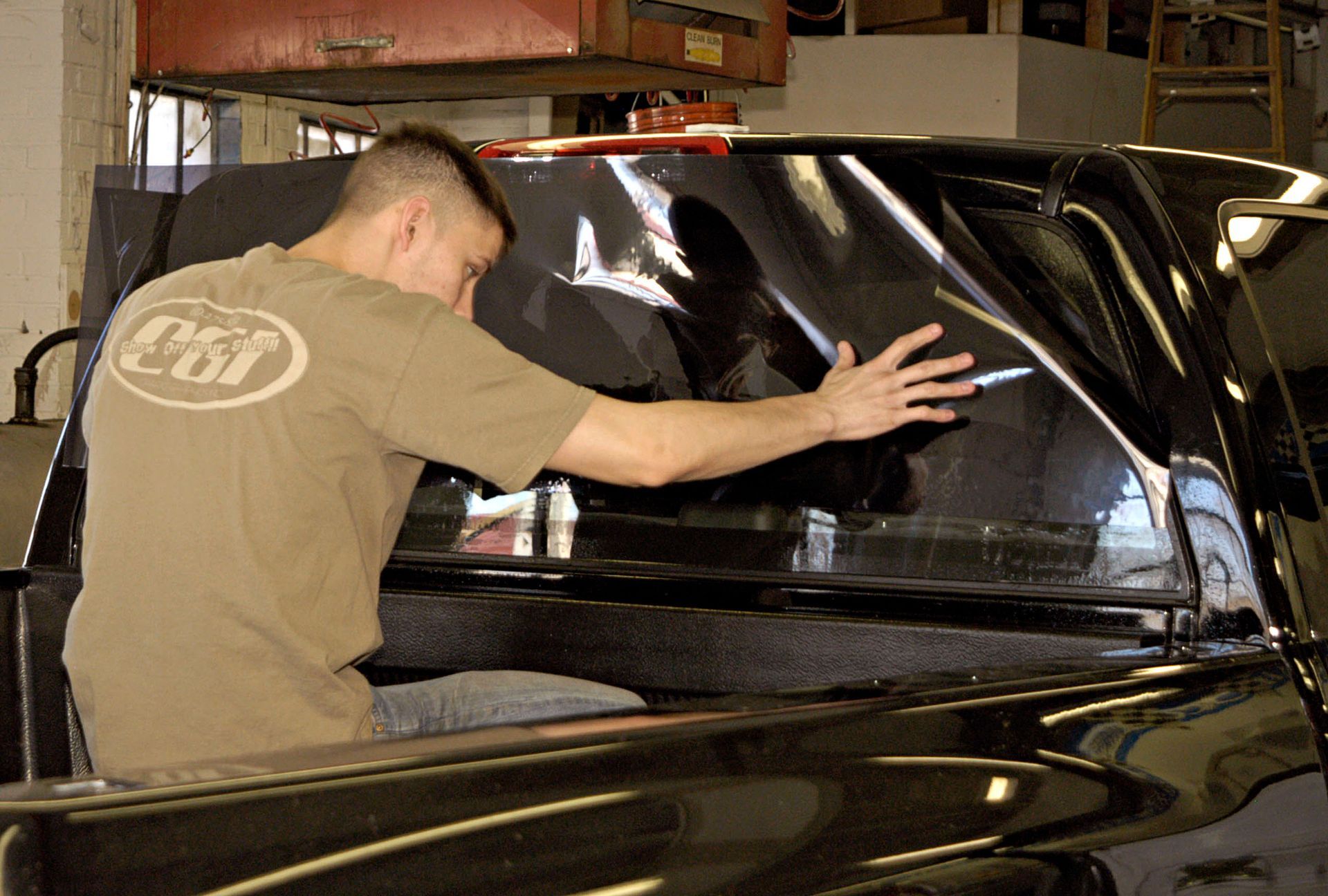
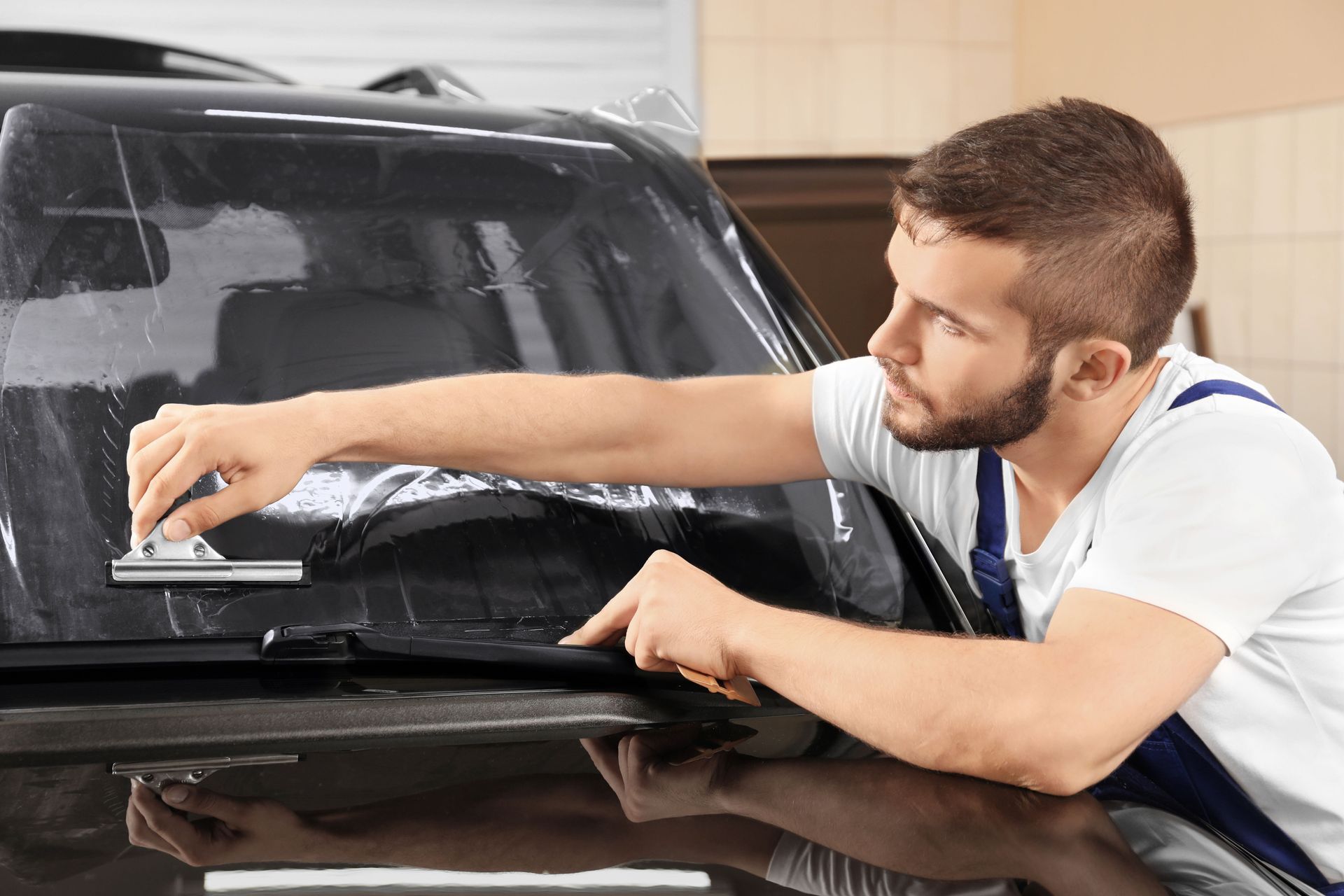
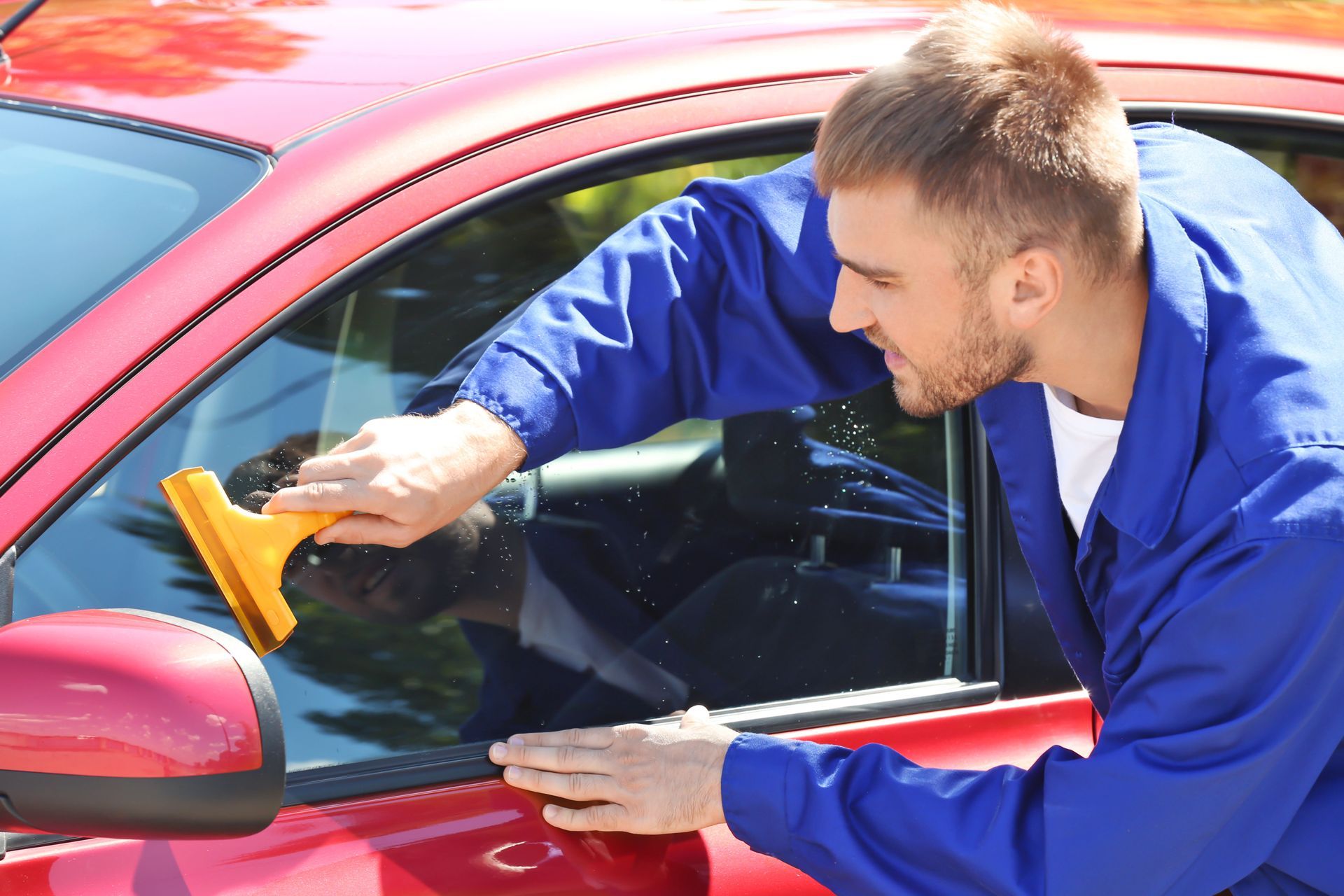
Window film needs careful preparation and application to look clean and perform as intended. The glass must be properly prepared, the film needs to be accurately fitted, and the installation should minimize contamination, bubbles, creases, and other visible imperfections.
Professional installers also understand how to evaluate different vehicle windows and available film options. This is especially useful when your main goal is UV protection rather than simply changing the vehicle's appearance.
Total Image Window Tinting provides automotive tinting for cars, trucks, SUVs, RVs, and other vehicles in the Toledo area. We offer same-day tinting services when available, free estimates by appointment, and warranties on many of our installations. Our team can help drivers compare products based on practical performance.
Make UV Protection Part of Everyday Driving
Sun protection is often associated with outdoor activities, but time inside a vehicle can also contribute to regular exposure. Drivers who commute frequently, travel for work, spend weekends on the road, or regularly transport family members may want to consider how their automotive glass manages UV radiation.
Using auto window tint with strong UV-blocking performance can add protection without requiring an extremely dark appearance. It can also provide additional benefits such as glare reduction, heat control, privacy, and protection for interior materials, depending on the film selected.
If you want to improve UV protection in your car, truck, SUV, or other vehicle, contact Total Image Window Tinting in Toledo. Our experienced team can explain available films, discuss your driving needs, and recommend an option that balances protection, comfort, visibility, and appearance. Visit us for a free estimate and find a professional window tint solution designed for the way you drive.